A line you can watch
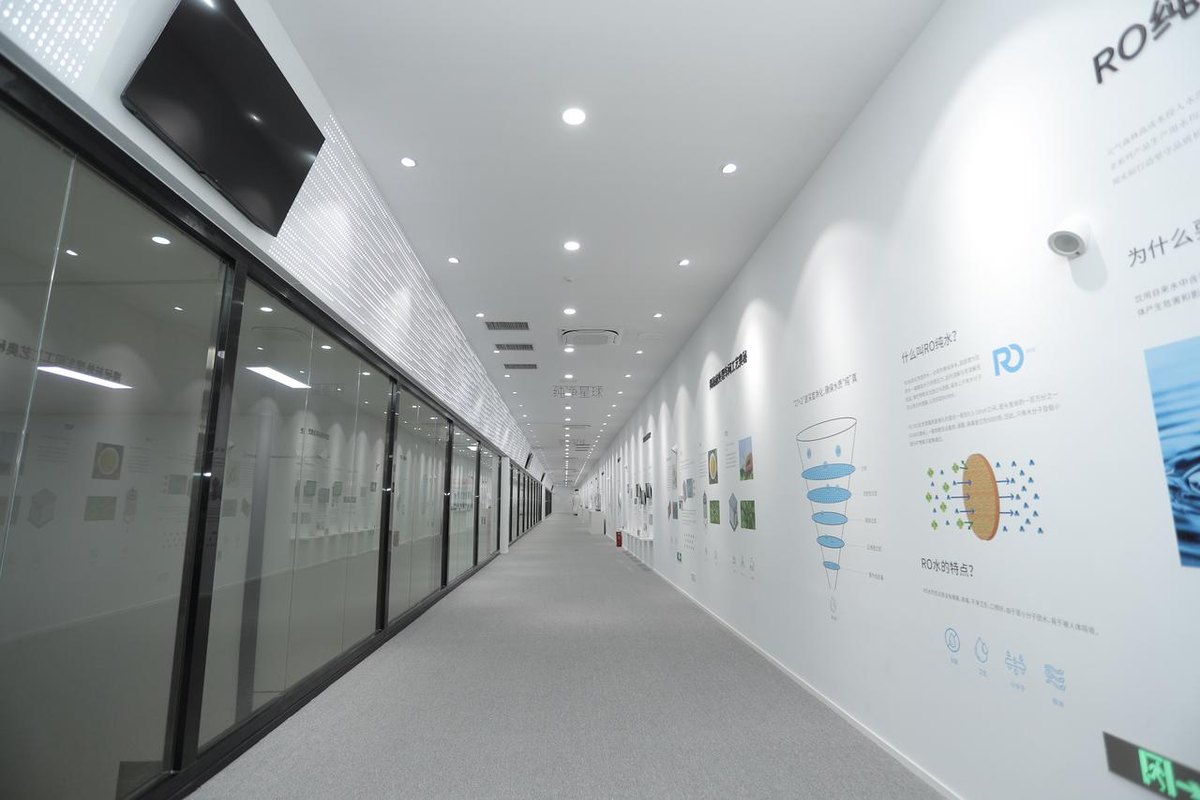
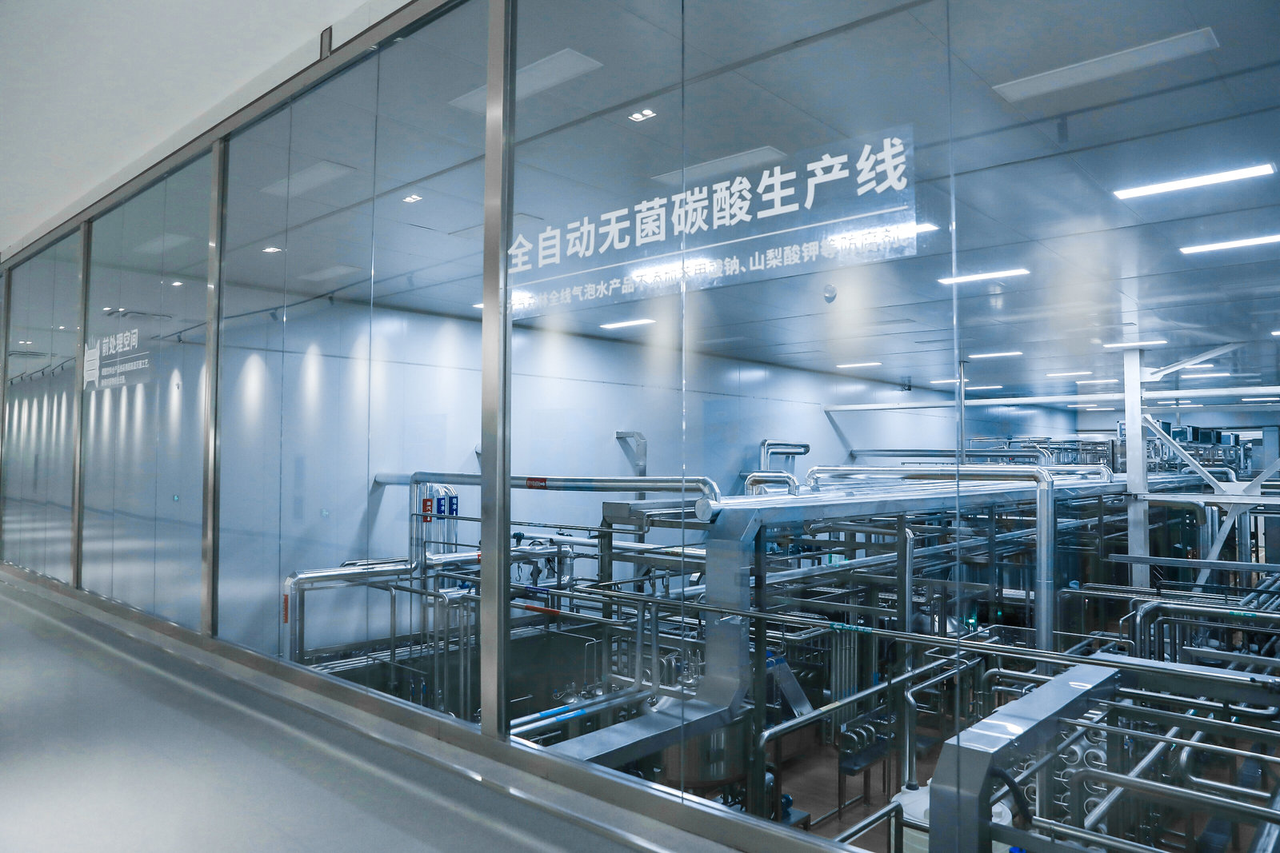
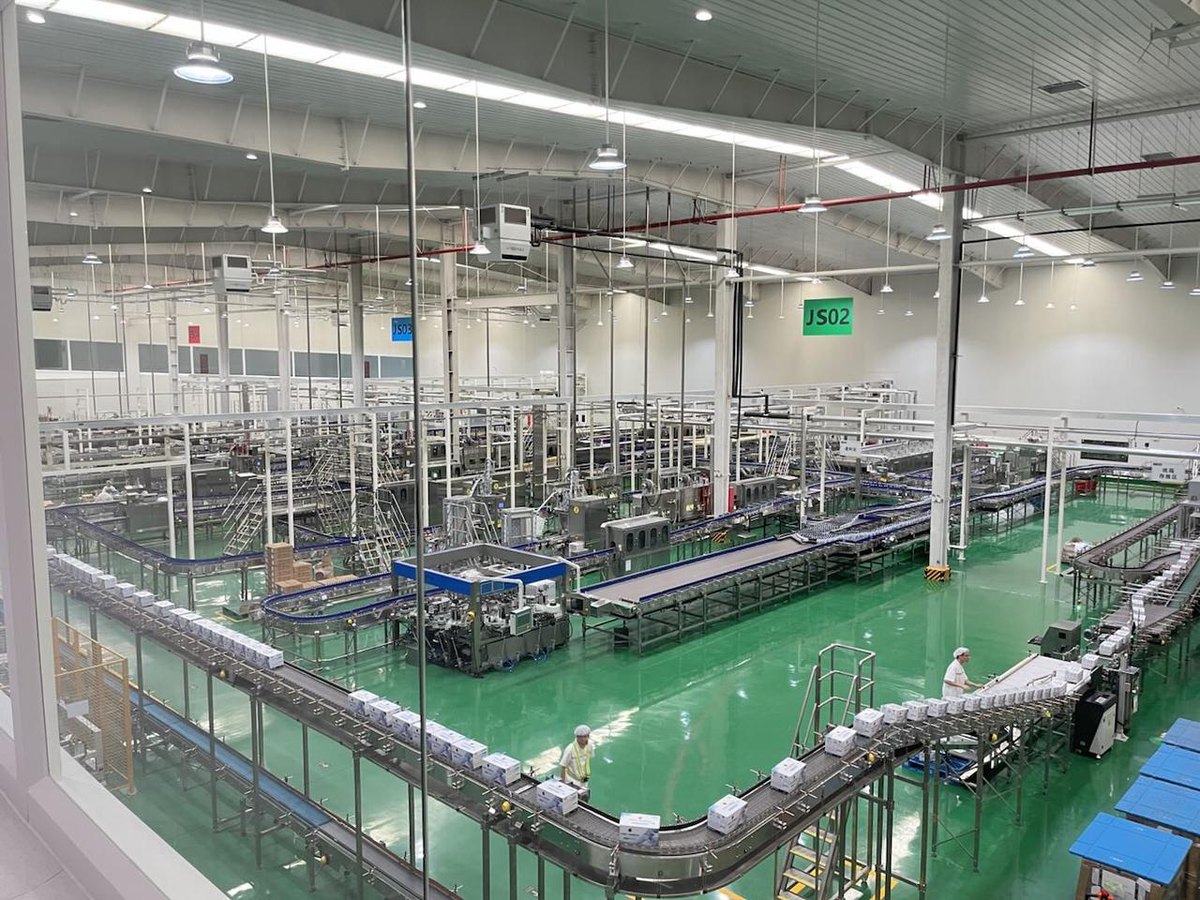
From the corridor, visitors can follow preform blowing, ingredient handling, filling, visual inspection, coding, packing and warehousing — the whole life of a bottle, in order.
The plants
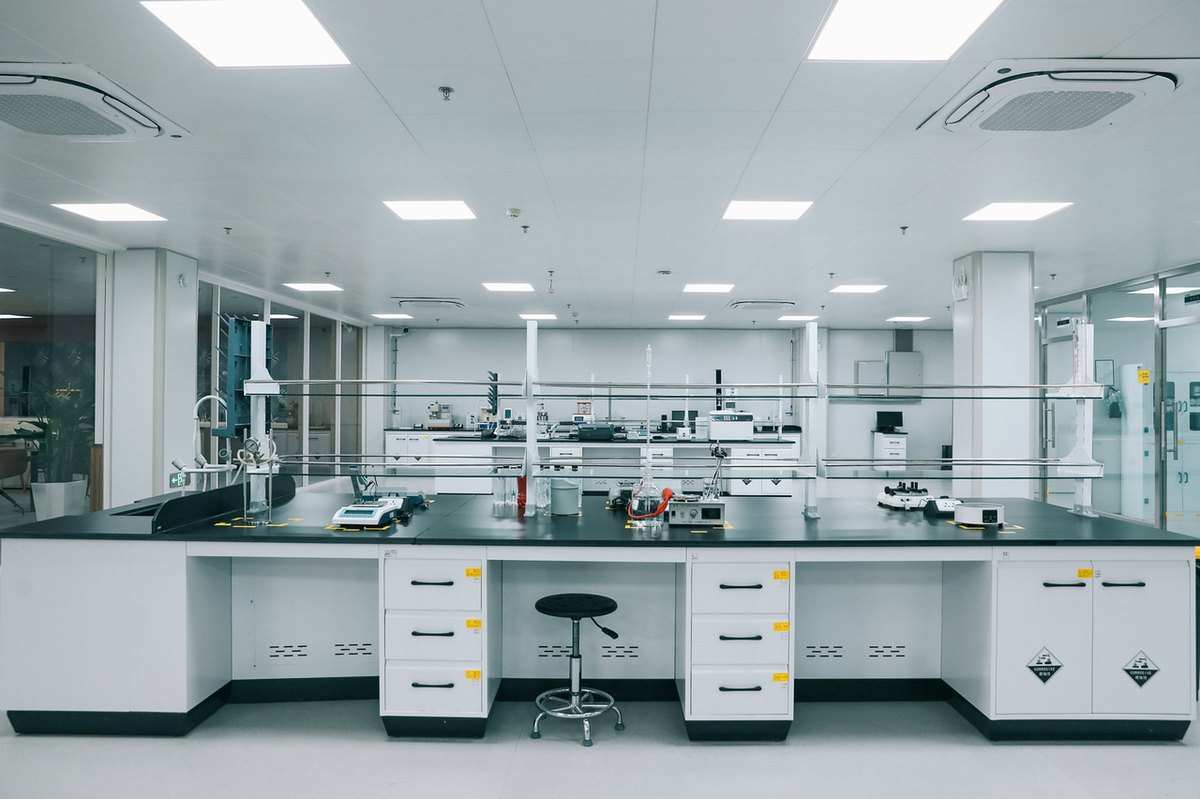
Chi Forest builds and runs its own plants rather than leaving production to others. That decision is what makes the next part possible: a visitor corridor beside the filling line, a testing window into the laboratory, and a tour that starts with ingredients and ends with a packed pallet.
Self-built factories
With a seventh site announced in XuchangCumulative investment
Sunk into manufacturing since 2019Annual capacity
Sparkling, tea, water and plant-based linesFood-safety system
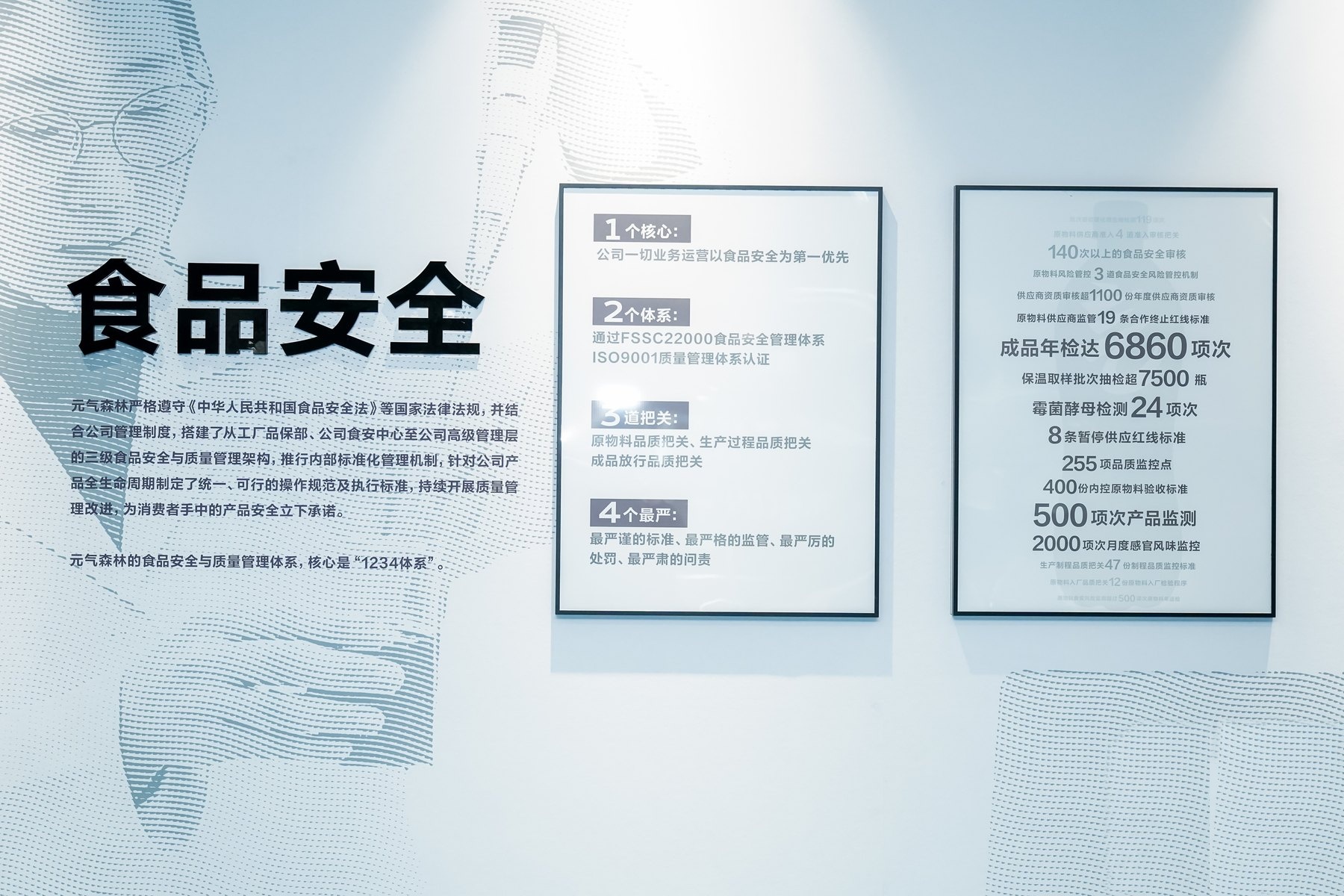
From raw material intake to dispatch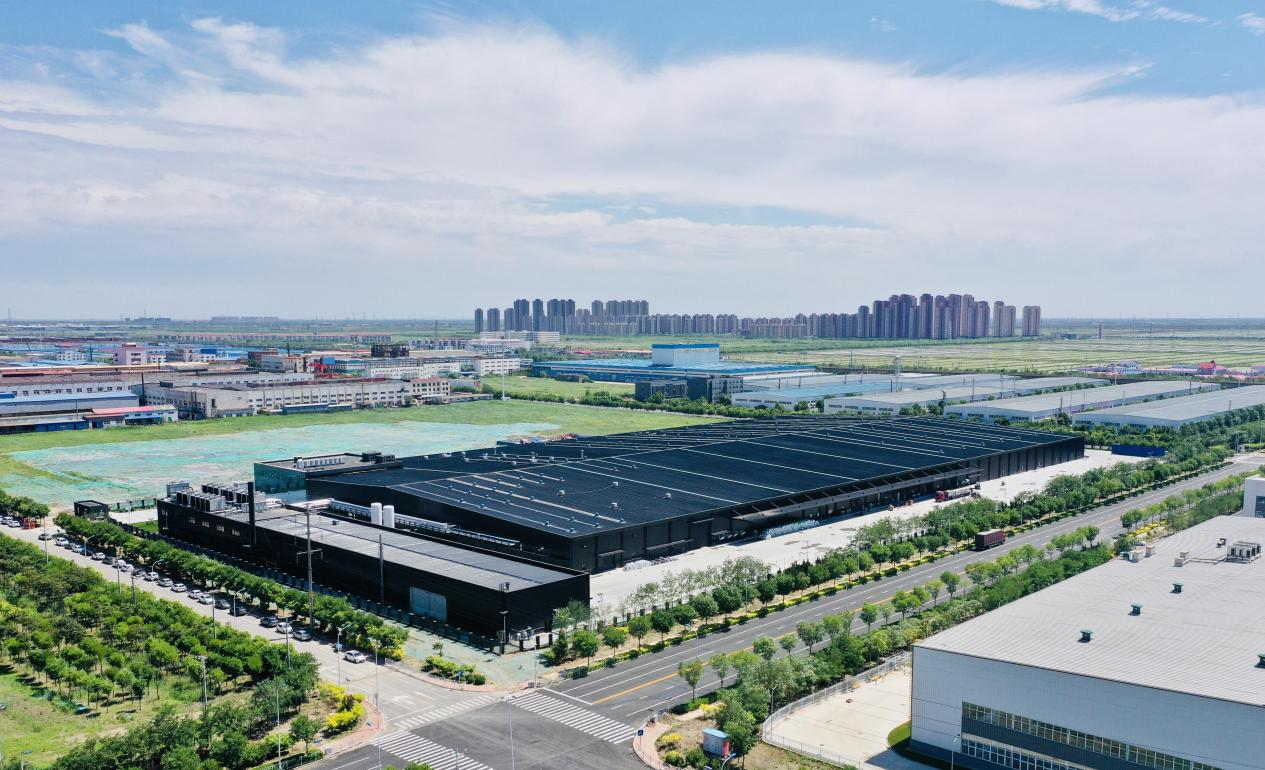
Why we build our own
Since 2019 Chi Forest has invested around eight billion RMB in manufacturing, with plants placed near the customers they serve. Total annual capacity reached 7.65 billion bottles, and every site runs the same food-safety system.
Owning the line means owning the details: bottle blowing, water treatment, filling parameters and inspection all sit inside one organisation, so changes can be tested and fixed on the spot instead of negotiated with a third party.
Plant network
Six plants are in production, with a seventh announced in Xuchang. Each serves its region and supports the others during peak season.
First self-built plant
Aseptic sparkling lines, waste-free certification
Southern supply hub
Plant + innovation institute + industrial tourism
South-west supply hub
Yangtze delta supply
Seventh site, announced 2025
Visit route
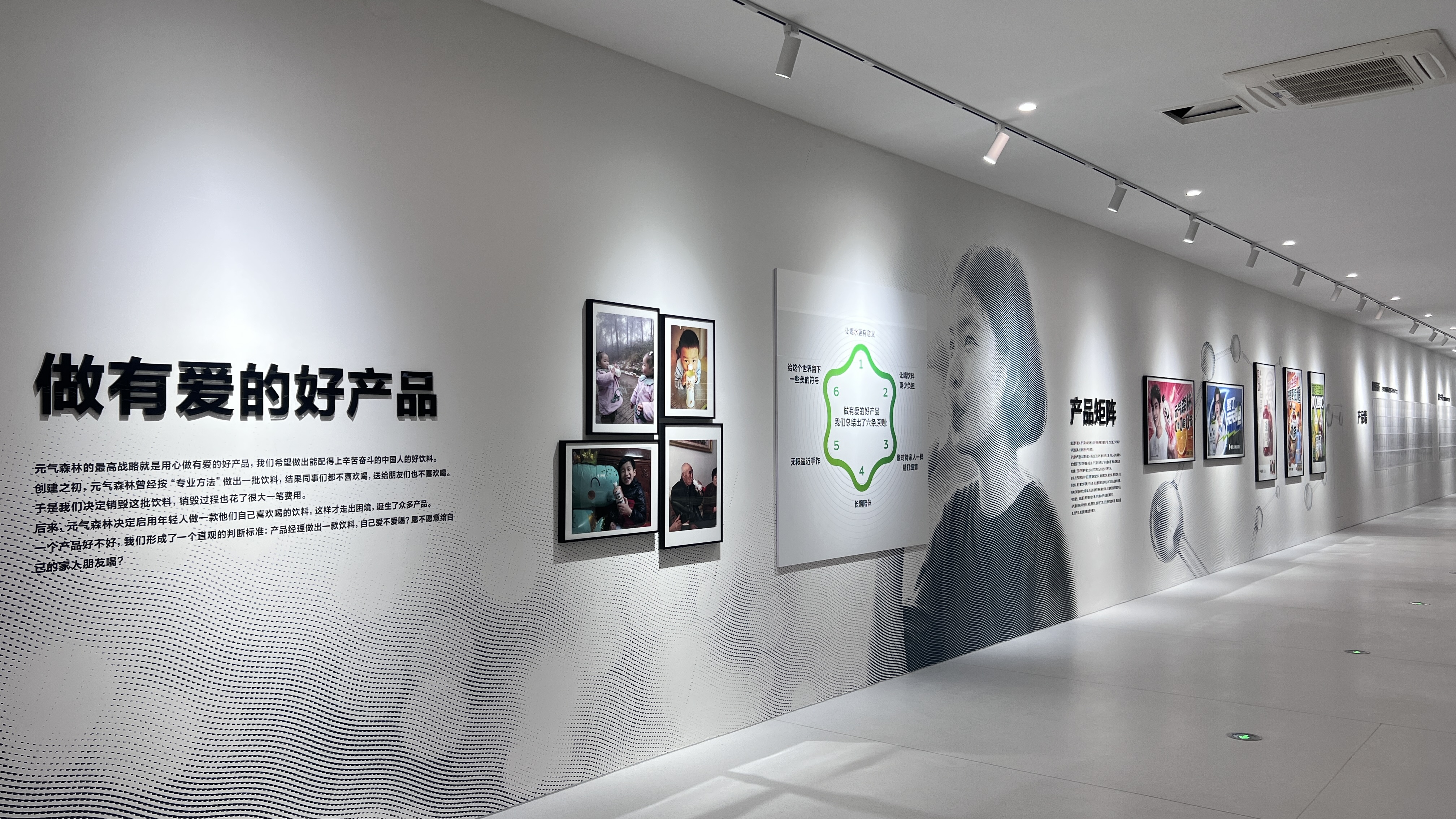
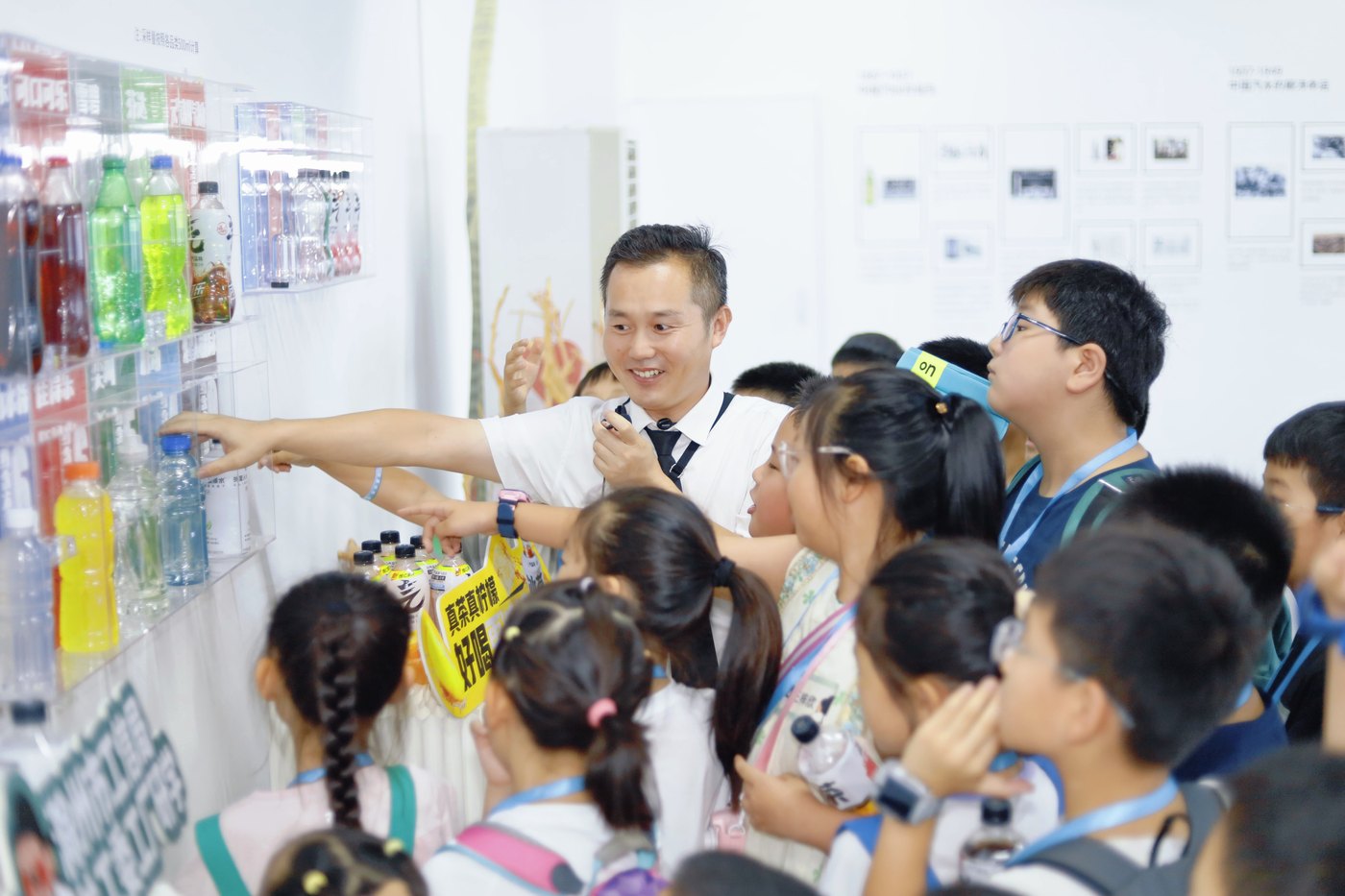
The industrial-tourism route runs through the production floor, a drinks science hall and a testing window — designed so a class or a customer can follow one bottle from start to finish.
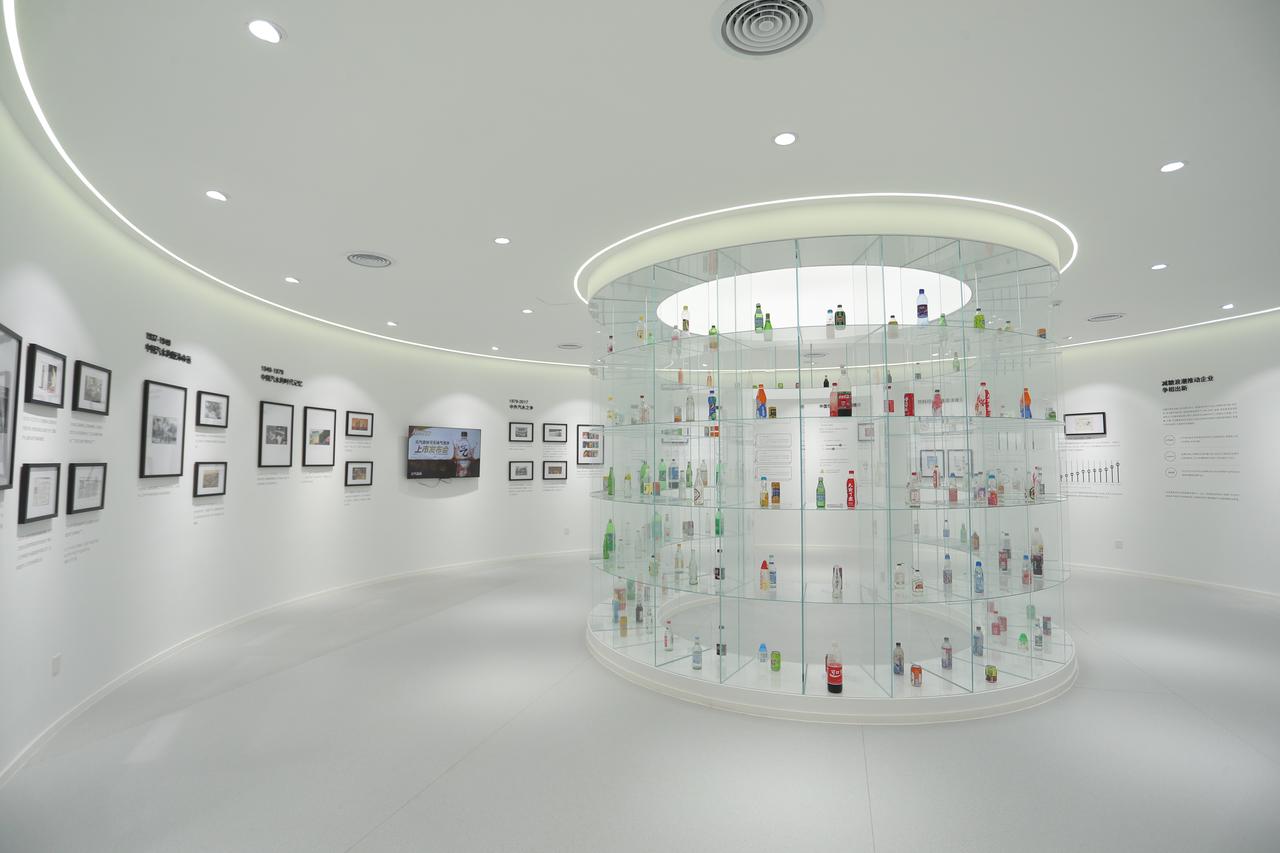
Built on the Hubei plant and rated a national AAA tourist attraction in 2023. It has a drinks science hall, a visual visitor corridor over the line and a research-experience area, plus a 16,000 m² ecological lake and a one-kilometre walking route. In 2026 it was chosen for the China Association for Science and Technology's first Spark Science Museum pilot.
From the corridor, visitors can follow preform blowing, ingredient handling, filling, visual inspection, coding, packing and warehousing — the whole life of a bottle, in order.
The factory-visit-plus-science course links production steps to nutrients, electrolytes, food hygiene and water recycling. Technicians from R&D, automation, environment and quality control teach the sessions.
Inside the plants
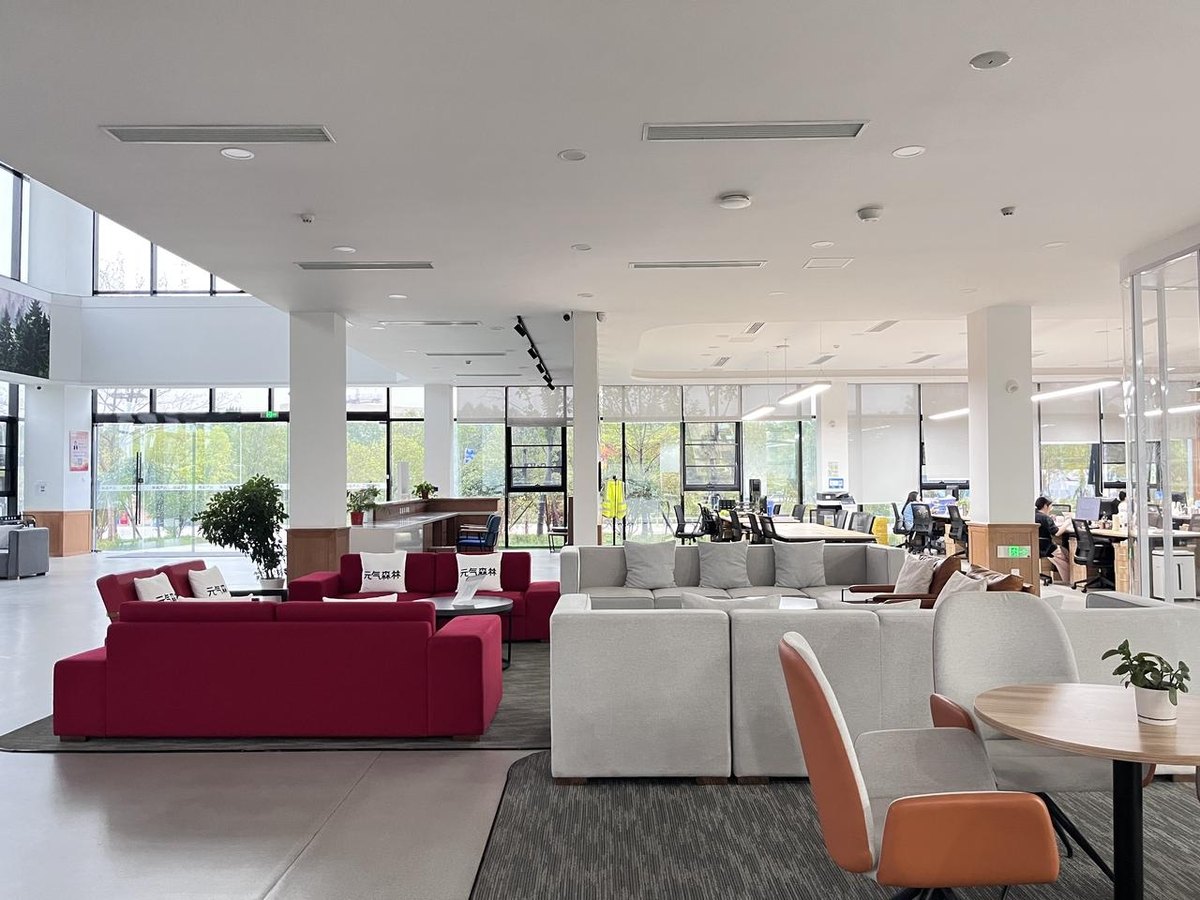
Photographs from our plant sites and visitor routes: exterior views, filling halls, laboratories, the soda museum and the study-tour spaces.
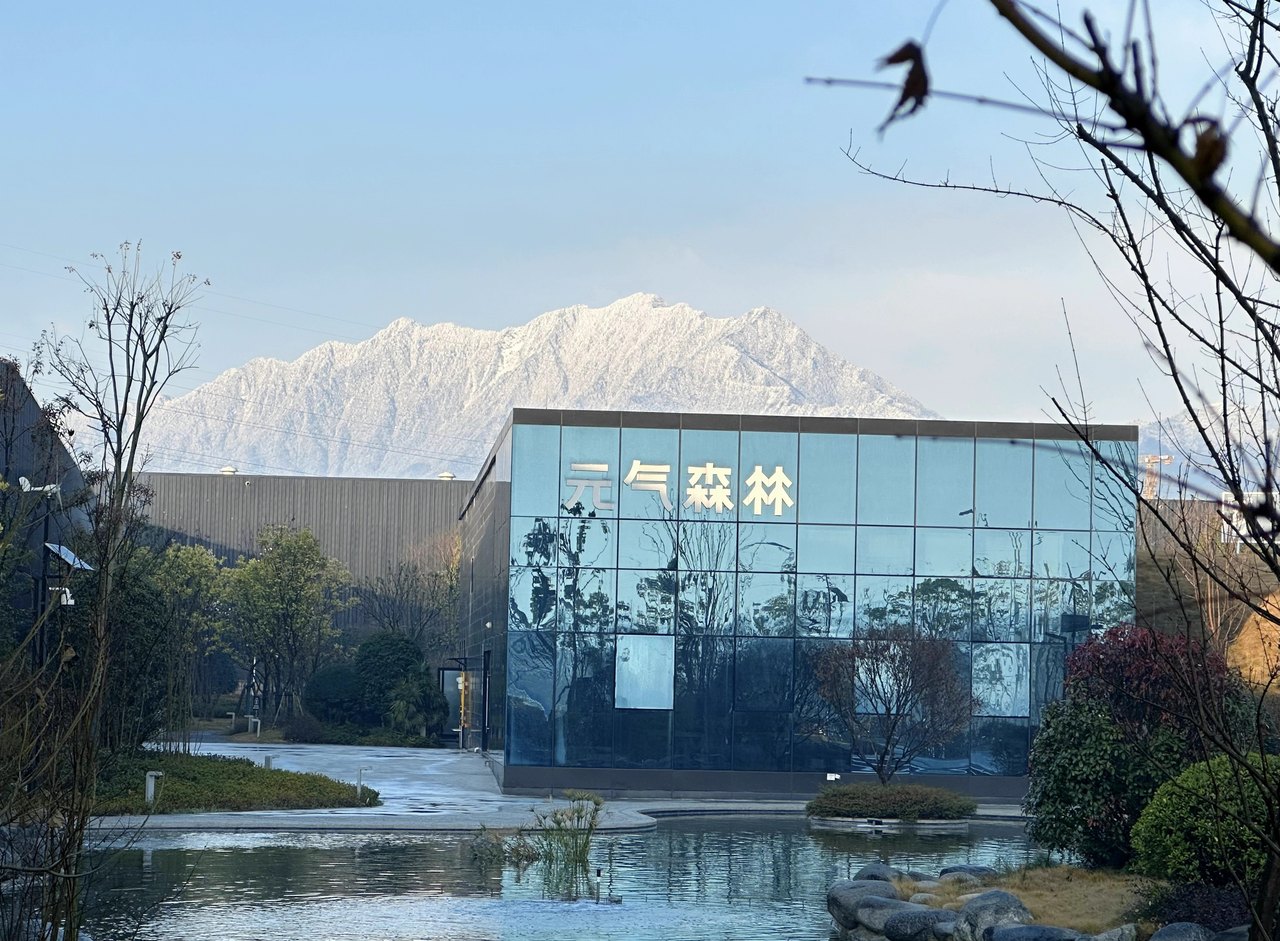
Tours, study programmes and customer visits are arranged with the plant team. Tell us your group size, the site you would like to see and roughly when.